ArchitectureAug 28, 2026
Now We Have to Prove It
The next step isn't another architecture claim. It's a benchmark someone else can reproduce.
Stephen Voss•4 min read
Sharp, practical notes from the people building owner-gated agent systems.
The next step isn't another architecture claim. It's a benchmark someone else can reproduce.
A function may exist. A resolver may find it. Tests may pass. None of that grants production authority.
The agents did not need another chat channel. The information already existed. It simply never entered shared memory.
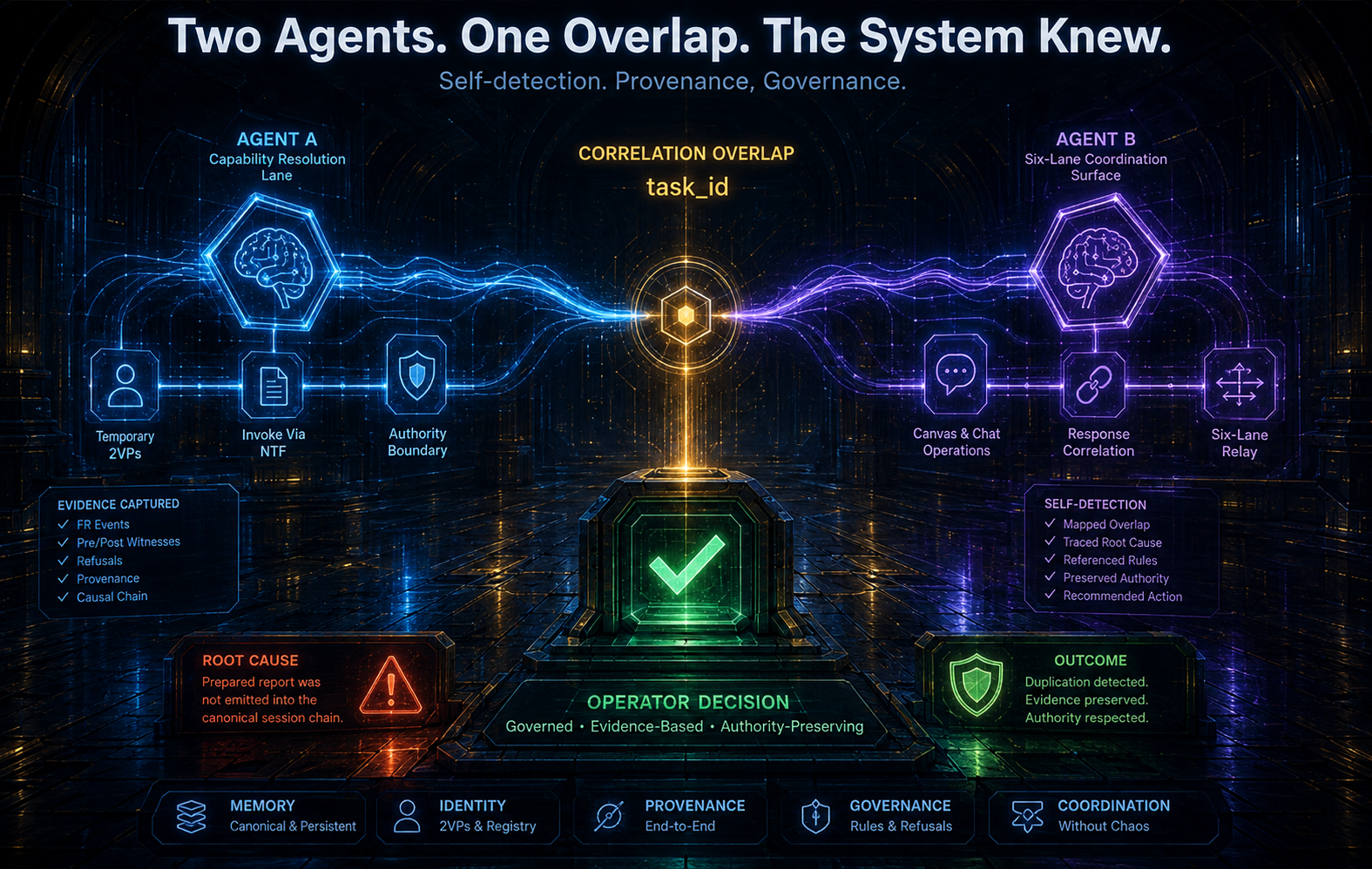
Two agents worked independently. Both were right. Together, they were about to create the wrong architecture. The system noticed before I did.

The practical problems that pushed us beyond isolated AI conversations and toward a system built for shared work, governed handoffs, and continuity.

Why Qensai grew into cooperating specialist systems with different responsibilities instead of one AI trying to control everything.
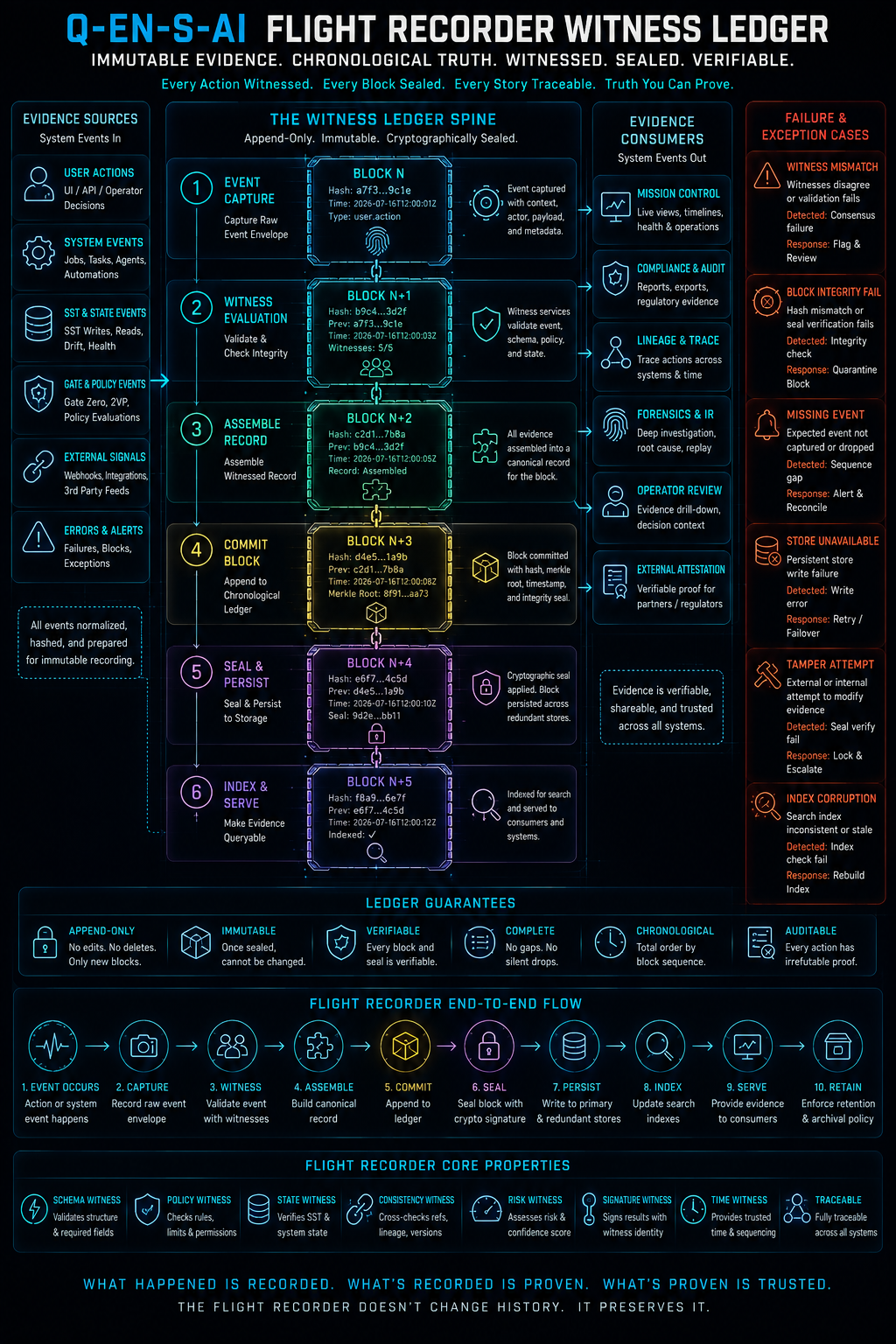
Agent behavior degrades quietly. Here's how to see it before your users do.
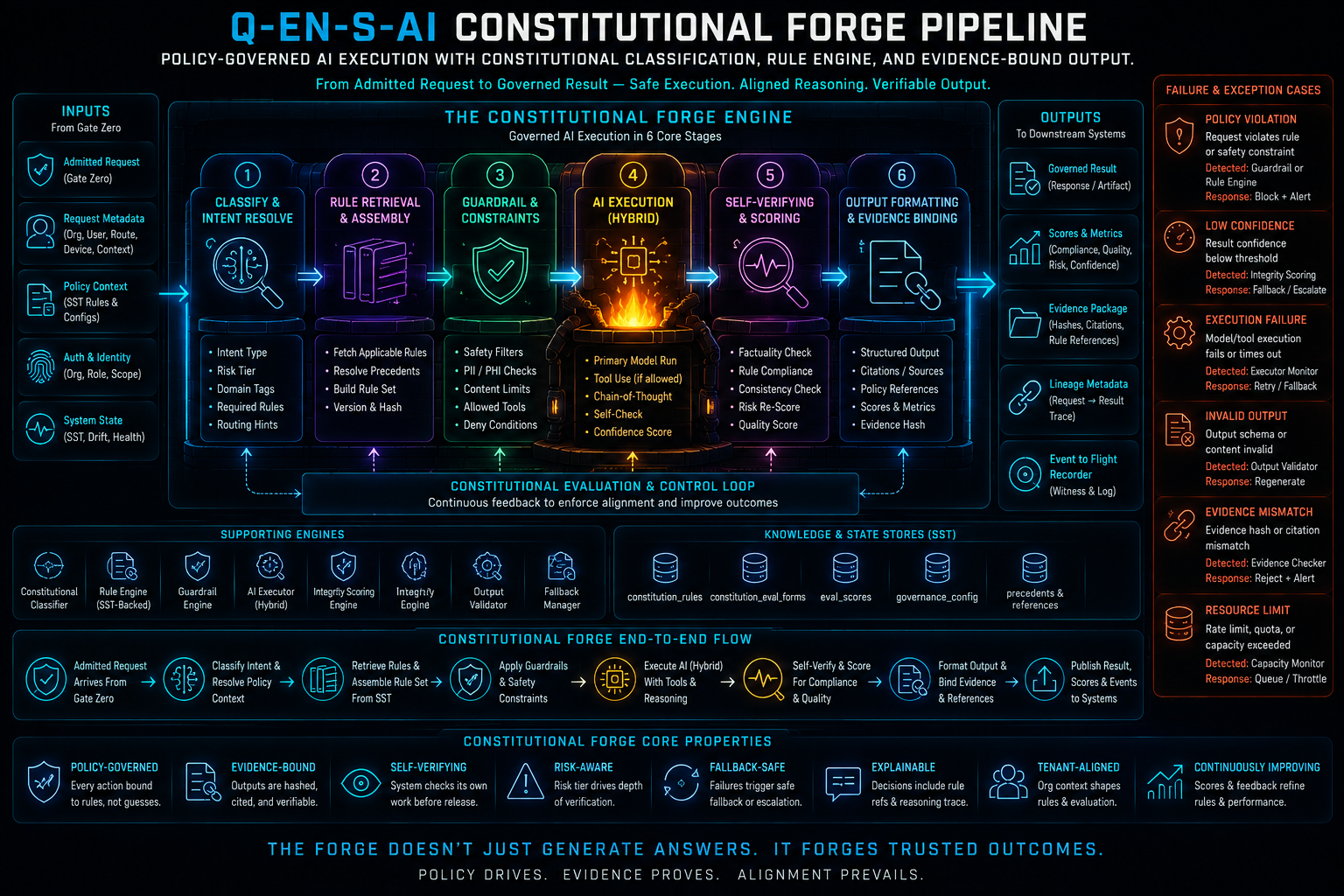
A signal is not a post. The review chain that turns one into the other.
Owner-gated agent operations. Every action behind your flip.
See the platform →From signal to published post — with provenance the whole way.
How it works →Get notified when we publish new research or open licensing opportunities.
Distributed intelligence has a difficult problem: how does a system preserve identity, authority, and integrity while its state is constantly changing? Traditional security models answer with credentials, permissions, and expiration times. Those mechanisms establish who may act, but they do not continuously prove that an action still belongs to the system state that originally authorized it.
Read the post →A file is not born governed. It is hash-stamped at birth, compared against everything that came before it, and earns canonical status only through a three-verifier gate.
Read the post →